
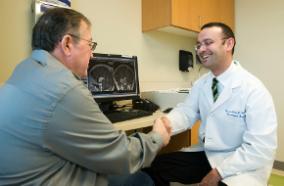
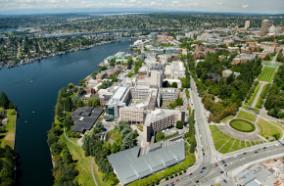
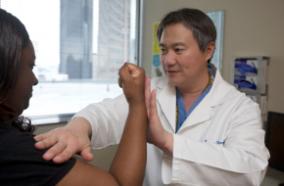
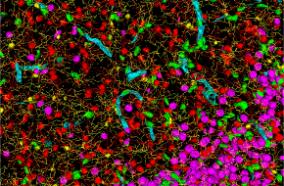
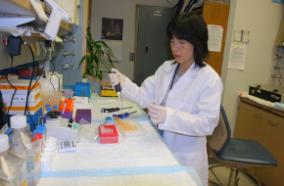
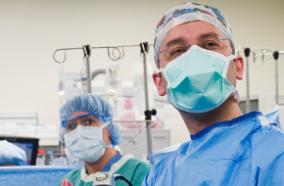
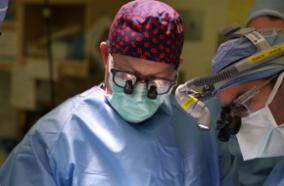
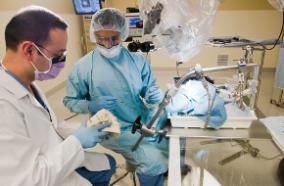
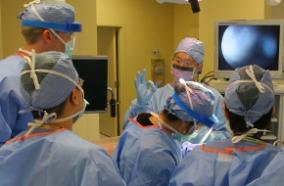
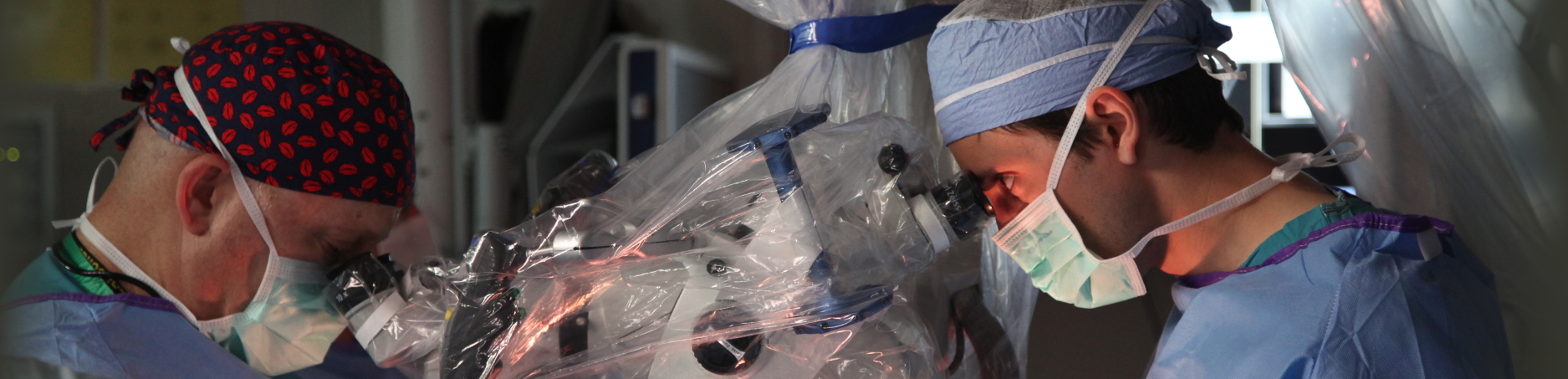
During the 8-week program, students have the opportunity to work in neuroscience research laboratories, where they are mentored by principal investigators (PIs) and experienced research scientists. Participants become active contributors to ongoing research projects, gaining firsthand exposure to how scientific discovery advances our understanding of learning and the brain.
The program culminates in a capstone research symposium, where students have the opportunity to present their work in a professional academic setting. At this event, students showcase their research projects and lab experiences, demonstrating what they have learned over the course of the program. The symposium also provides a meaningful opportunity for students to share their accomplishments with lab mentors, family members, and friends, celebrating their growth as emerging scholars and researchers.
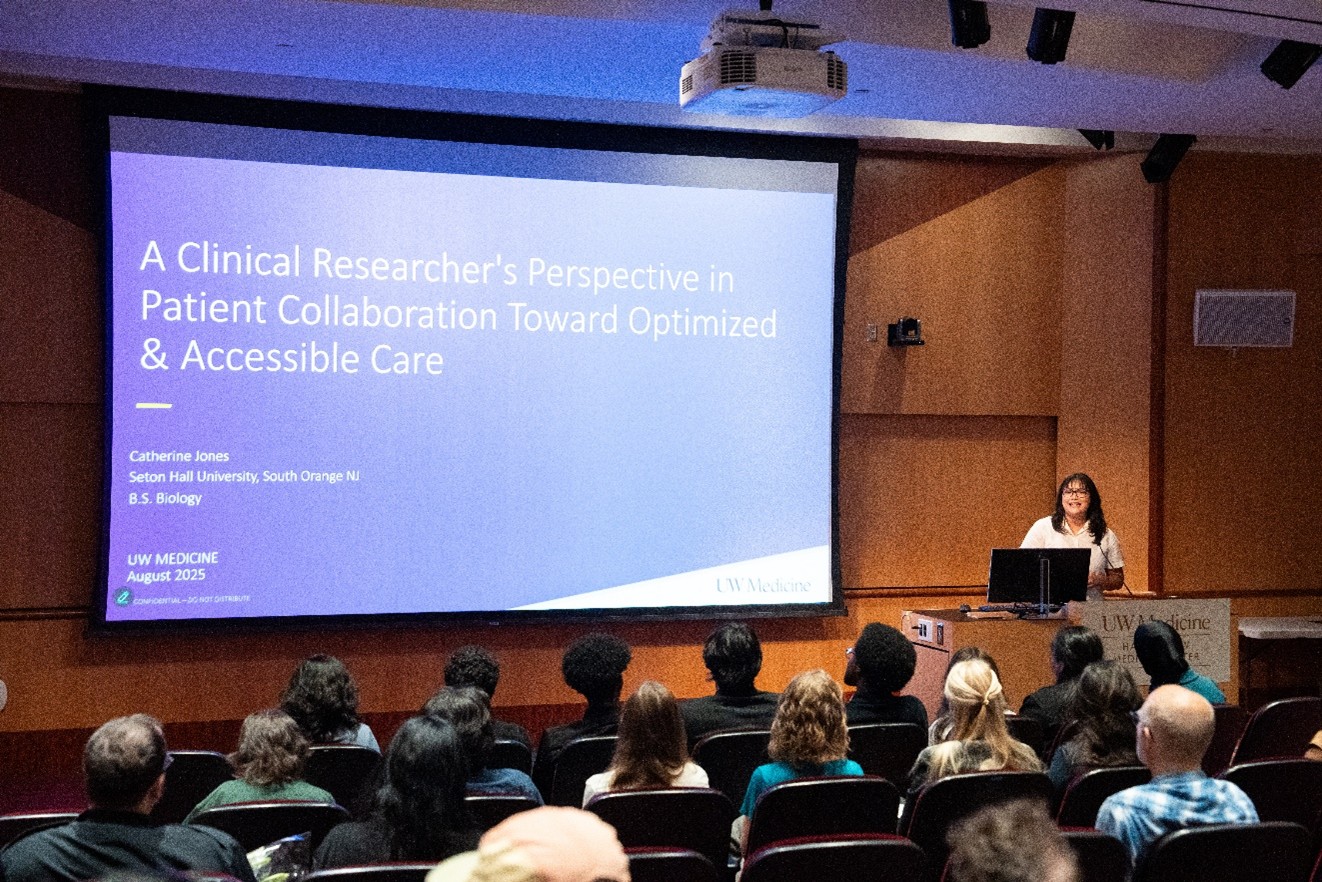
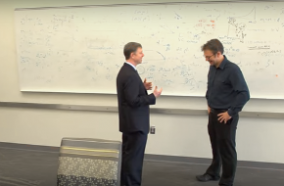
Catherine Jones presenting “A Clinical Researcher's Perspective in Patient Collaboration Toward Optimized & Accessible Care” (2025)
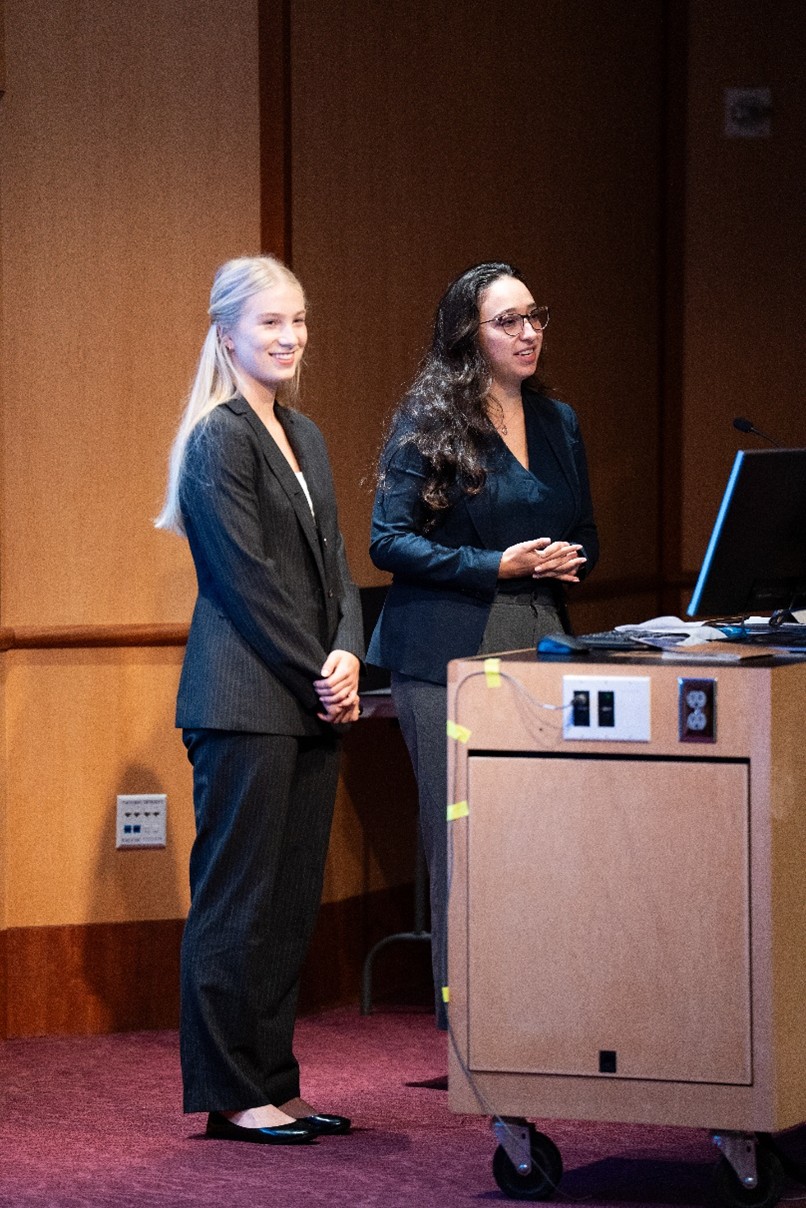
Brooke North and Sky Morgan presenting “Modeling Glioblastoma Heterogeneity and Treatment Resistance in Advanced Cerebral Organoid Systems” (2025)
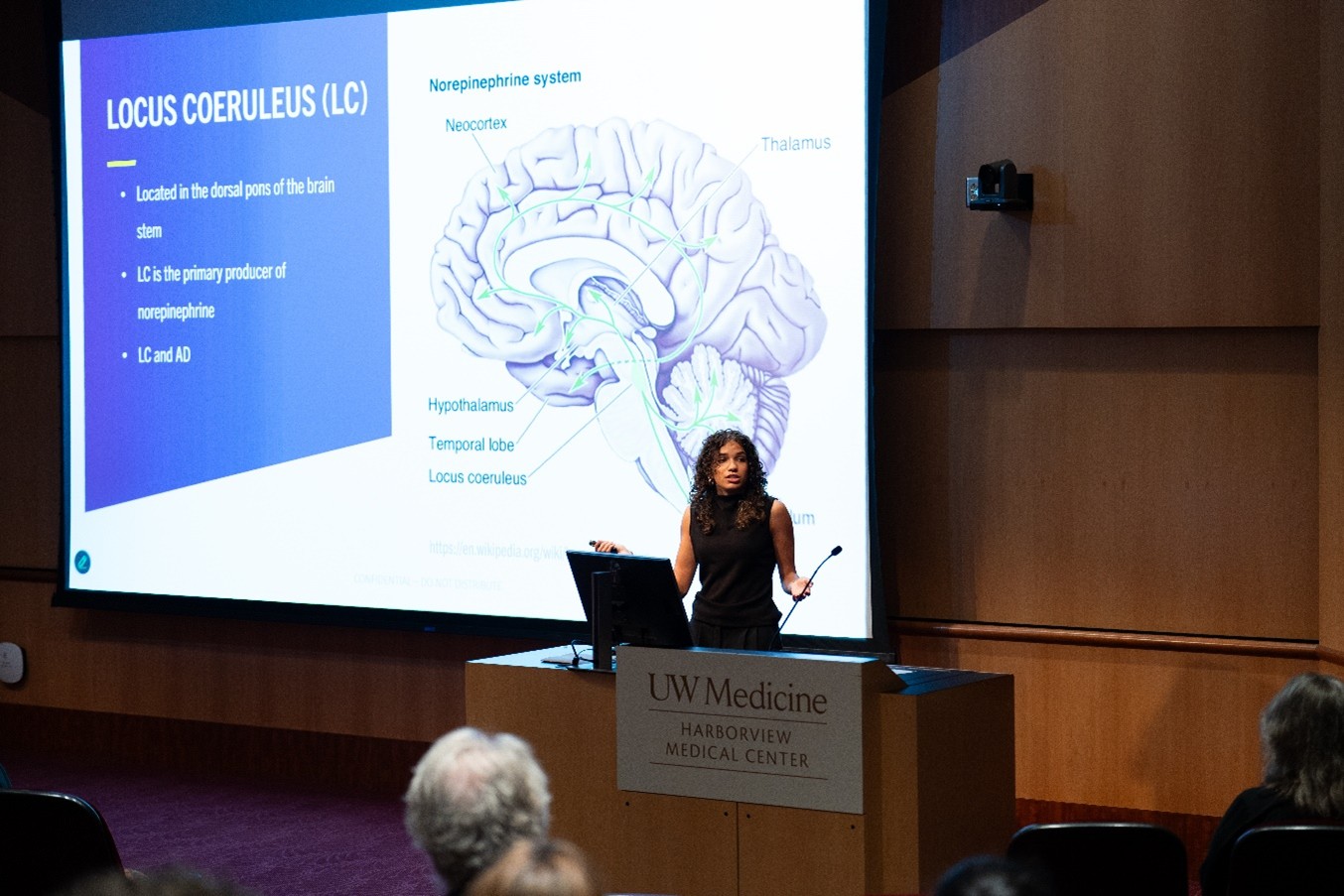
Rebecca Benezra presenting “Phosphorylated Tau Protein Build-Up in Varying Alzheimer's Disease Severities” (2025)
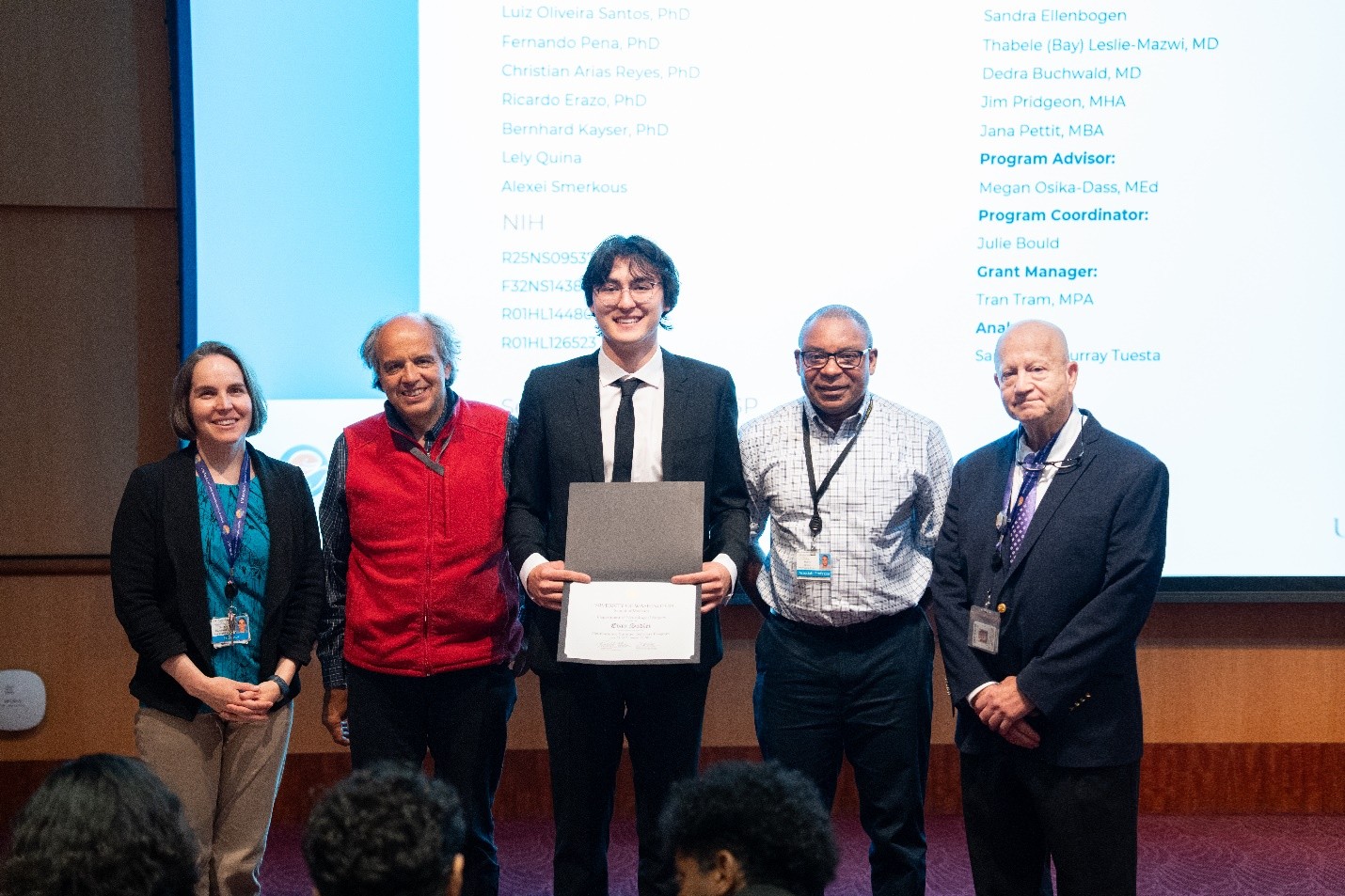
Evan Sadler presenting “'The Impact of Modulatory Pontine Neuron Activation in Fatal Ictal Obstructive Apneas” (2025)
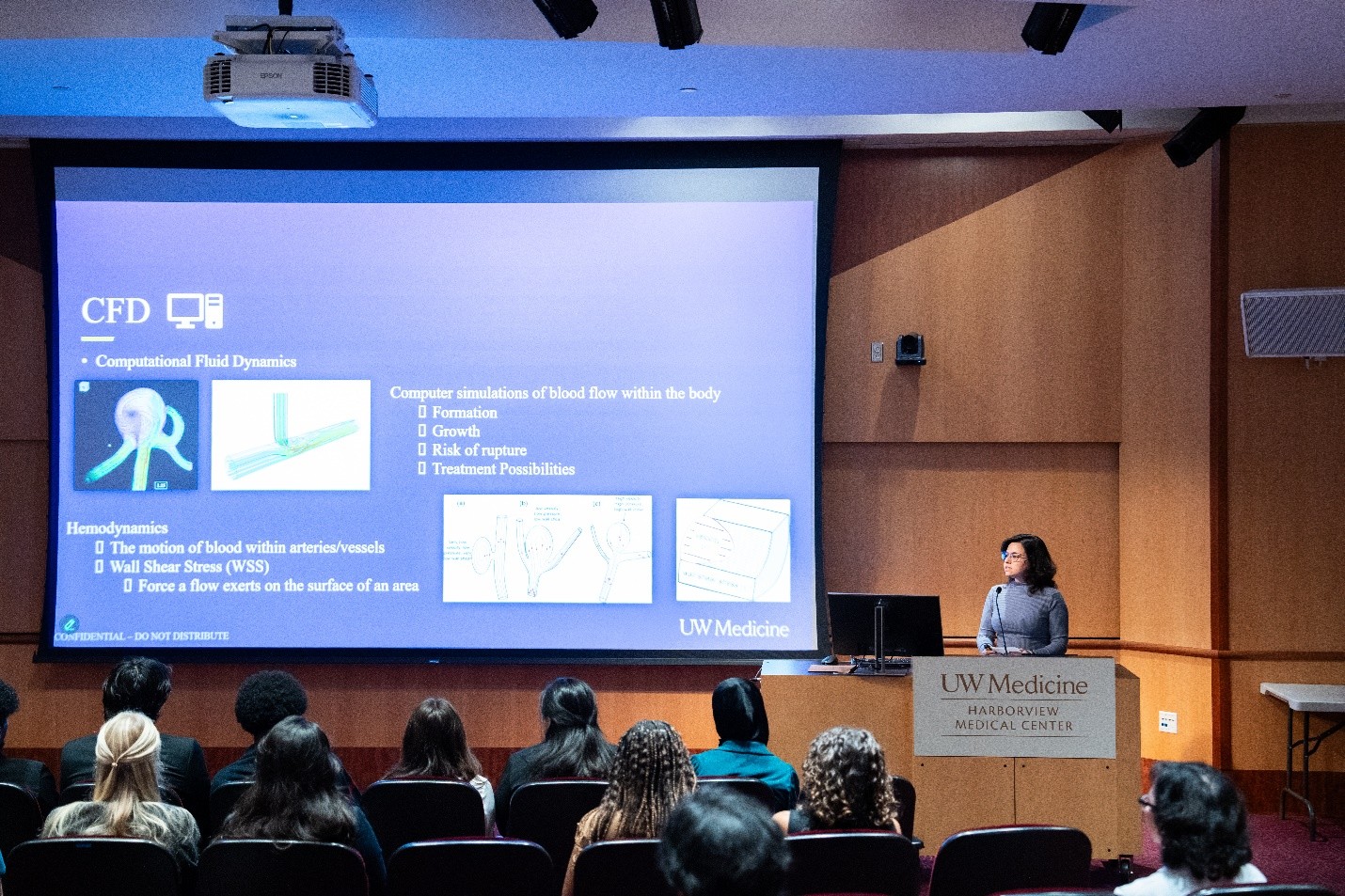
Lehua Augello presenting “Computational Fluid Dynamic Accuracy on Aneurysms Using Patient Specific Measurements” (2025)
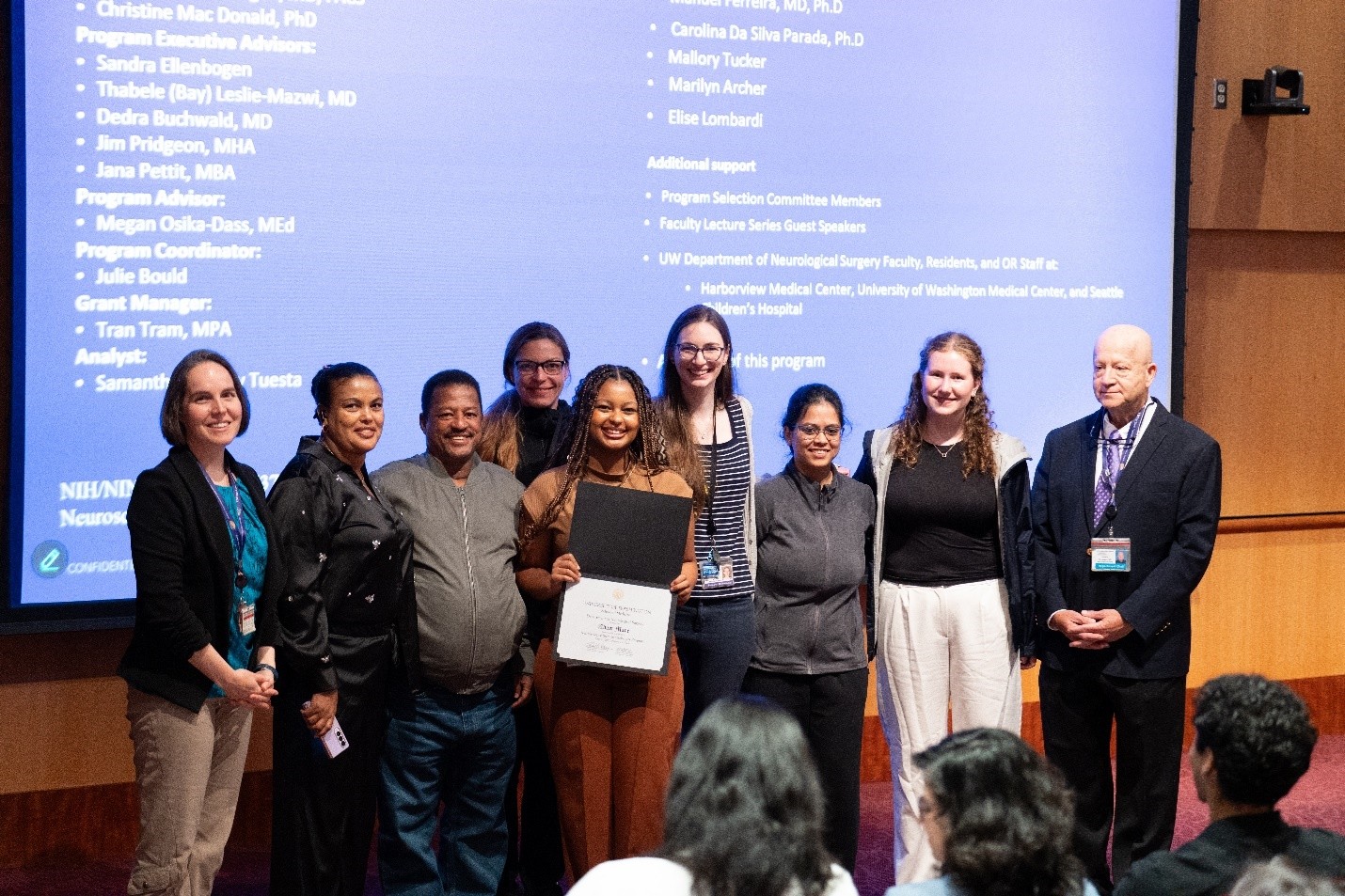
Abem Mare presenting “WES of Skull-Base Chordomas Reveal Possible JAG2 Related Mechanisms” (2025)
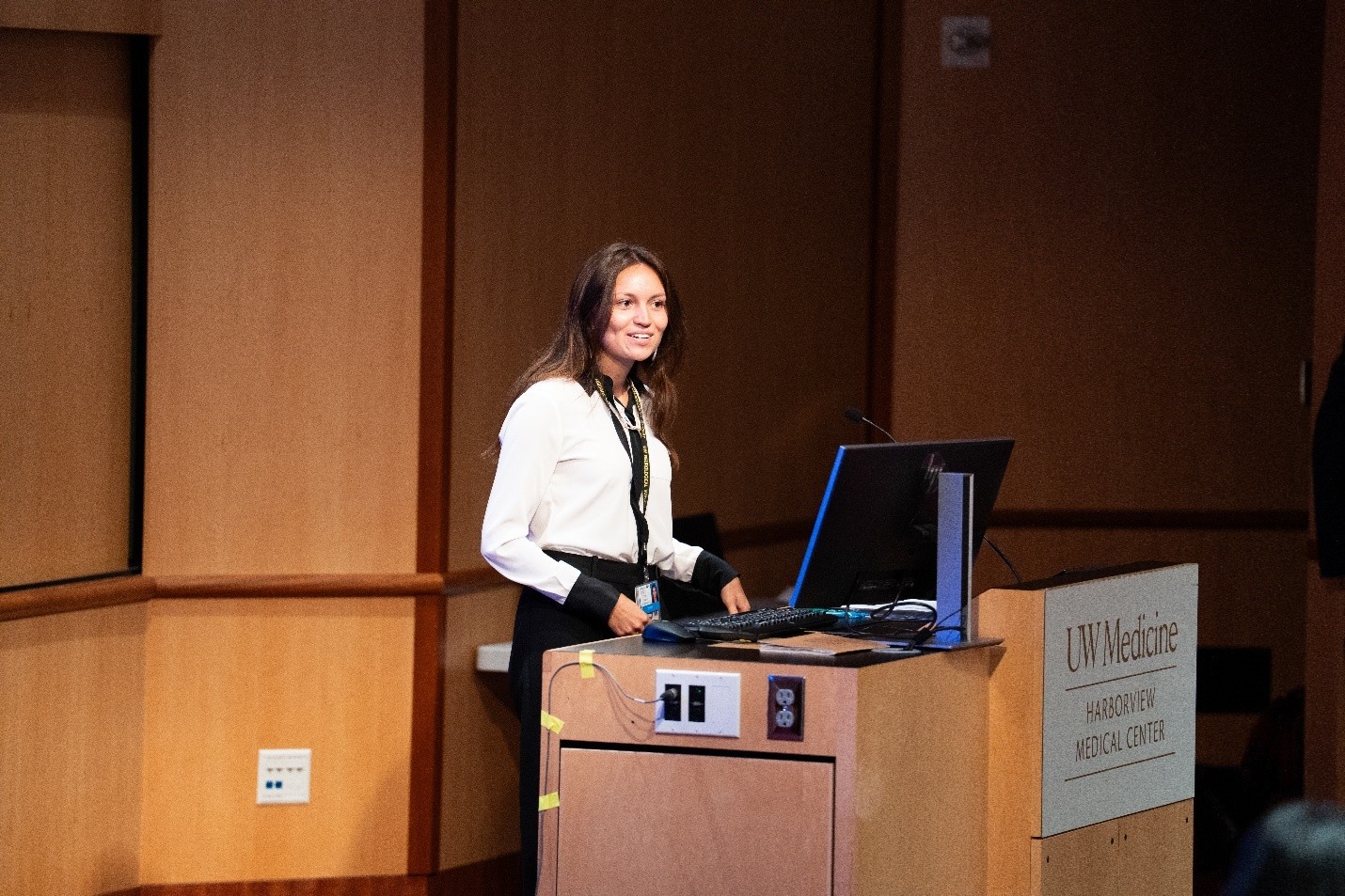
Trinty Colegrove presenting “Understanding Approach Avoidance Behavior in the Brain” (2025)
Alumni Presentations
CLASS OF 2025:
Skylar Morgan & Brooke North (Emerson Lab)
Abem Mare (Ferreira Lab)
"WES of Skull-Base Chordomas Reveal Possible JAG2 Related Mechanisms"
Trinity Colegrove (GRID Lab)
“Understanding Approach Avoidance Behavior in the Brain"
Dylan Senescall (GRID Lab)
“Investigating the relationship between peak alpha frequency and intrinsic neural timescales"
Diana Maciel (Jayadev Lab)
“Response of PSEN2 N141I microglia to 7-day amyloid beta exposure"
Alef Leulekal (Kalume Lab)
“Targeting efficiency of a novel gene therapy for Leigh Syndromerelated epilepsy in a mouse model"
Rebecca Benezra (Lein Lab)
“Phosphorylated Tau Protein Build-Up in Varying Alzheimer's Disease Severities"
David Juarez-Flores (McDonough Lab)
“Pilot Study of Hippocampal Microglia Morphology in a Sus Domesticus Model"
Yalda Shiwan (Davis & Darvas Lab)
Shaka Prince (Prater Lab)
“Analyzing microglial morphology in resilience to Alzheimer’s disease"
Evan Sadler (Ramirez Lab)
“The Impact of Modulatory Pontine Neuron Activation in Fatal Ictal Obstructive Apneas"
Lehua Augello (Stroke & Applied NeuroScience Center)
“Computational Fluid Dynamic Accuracy on Aneurysms Using Patient Specific Measurements"
Catherine Jones (Stroke & Applied NeuroScience Center)
"A Clinical Researcher's Perspective in Patient Collaboration Toward Optimized & Accessible Care”
Dylan Senescall
"Investigating the relationship between peak alpha frequency and intrinsic neural timescales"
CLASS OF 2024:
Malia Callier (Davis Lab)
“Does GBA Influence the Spread of Lewy Pathology via Extracellular Vesicles?"
Sakinah Husson (Ellenbogen/Zhang Lab)
“SiRNA Delivery to Glioblastoma Cells for Brain Cancer Treatment"
George Daily-Lyles & Blake Robinson (Ferreira Lab)
Samantha Hanson (Kalume Lab)
“Durability of Gene Replacement Therapy Efficacy in a Mouse Model of Dravet Syndrome"
Karen Chen (Keene Lab)
“Use of Digital Image Analysis to assess Alzheimer’s Disease Pathology in the Visual Cortex"
Evelyn Smith (Lein Lab)
“Variability in RNA Quality Across the Human Brain"
Madeline Bradbury (McDonough Lab)
“Pilot study assessing microglial activation in the hippocampus"
Ariah Richards (Ramirez Lab)
“Characterizing Swallow-Breathing Coordination in Male MECP2 Knockout Mice Compared to Wild-Type"
Fatima Alziyad (Stroke & Applied NeuroScience Center)
“Acute Ischemic Stroke Biomarkers: A developmental technique to diagnose AIS rapidly"
Michelle Fung (Stroke & Applied NeuroScience Center)
Gino Adamson (Weinstein Lab)
CLASS OF 2023:
Alex Kirkpatrick (Davis Lab)
“Unraveling the Role of GBA in Parkinson’s Disease Progression"
Penelope Lilley & Miles Montegut (Ellenbogen/Zhang Lab)
“Trojan-Nanoparticle Siege of C6"
Guadalupe Huerta-Acuchi (Ferreira Lab)
“A Pathway For Liquid Biopsy: Detecting Somatic Variants In Cell-Free DNA From Pituitary Neuroendocrine Tumors"
Iman Omer (GRID Lab)
"The Use of Intracranial Electroencephalography in Understanding Methods of Anesthesia"
Katarina Berk (Hofstetter Lab)
“Directionality of Secondary Injury After tSCI: Histological Validation of Contrast-Enhanced Ultrasound”
Anna Weldon (Jayadev Lab)
“Investigating Microglia Activation in the Brains of Alzheimer's Disease PSEN2 Mutation Carriers"
Favour Ebiala (Kalume Lab)
“Impact of MYTO-109 on Swallow-Breathing Discoordination in a Mouse Model of Leigh Syndrome"
Briana Lee (Kalume Lab)
“Contribution of Forebrain GABAergic Interneurons in the Pathophysiology of Leigh Syndrome-Related Epilepsy"
Annika Houge (Khaing Lab)
“Pericyte Coverage on Microvasculature in the Aging Spinal Cord"
Maria Faraj (McDonough Lab)
“Investigating Microglia Activation in Response to Different Food Sources in a Neonatal Piglet Model”
Marlene McKinney (Ramirez Lab)
“Donepezil Mitigates Opioid-Induced Respiratory Depression Without Compromising Analgesia in C57BL/6J (B6) Mice”
Richard Li (Stroke & Applied NeuroScience Center)
“Unraveling Hemodynamics - Navigating the Digital Age of Cerebral Aneurysms with CFD: Methodology, Outcomes and Insight"
Yahir Gonzalez (Stroke & Applied NeuroScience Center)
“Determining Patient Care Utilizing Computational Fluid Dynamics"
Class of 2022:
Caroline Kwon (Davis Lab)
“Mechanisms Underlying Parkinson’s Disease: The Genetic Risk Factor GBA"
Eric Lassiter (Ferreira Lab)
“Landscape of Pituitary Adenomas at the Single Cell Level”
Feyikemi Oriola (Ferreira Lab)
“Case Study: D.A.J.”
Linden Williamson (Hofstetter/Khaing Lab)
“Glibenclamide Attenuates Tissue Damage From Secondary Injury in Rats Post CSCI”
Smrami Patel (Hofstetter/Khaing Lab)
“Significance of Grey Matter Loss on Functional Recovery After Acutely Cervical Spinal Cord Injury”
Julia Walker (Holland Lab)
“Using RNA Vaccines to Target Gene Fusion Positive Cancers”
Carolyn Sutliff (Jayadev Lab)
“Microglia Lysosomal Function is Disrupted in Proximity to B-amyloid Plaques”
Hithem Ghadamsi (Kalume Lab)
“Impact of Ndufs4 KO on Interneuron Morphology and Seizure Susceptibly in Mouse Model of Leigh Syndrome"
Franklin Bray (Lein Lab)
“The Adaption of VINEseq'”
Abigail Bondurant & Natalia Ochoa-Zavala (Ramirez Lab)
“'Chronic Intermittent Hypoxia Disturbs the Regulation of Breathing and Drinking in Awake and Alert Mice”
Ariana McLain & Ola Owodunni (Stroke & Applied NeuroScience Center)
“Cerebrovascular Complications and DVS Mapping”
Justin Del Cid (Weinstein Lab)
“Preliminary Studies of Microglial Activation in a Piglet Model of Gut-Brain Axis Inflammation”
CLASS OF 2021:
Patrick Bi (Ellenbogen/Zhang Lab)
“Nanoparticle-Mediated Delivery for Gene Therapy of Breast Cancer Cells"
Yasha Chapman (Hofstetter/Khaing Lab)
“Methylprednisolone Increases Tissue Sparing after Cervical Spinal Cord Injury in Rodents”
Hannah Cottnair (Hofstetter/Khaing Lab)
“Limiting Neurogenic Bladder Development in Response to Spinal Cord Injury”
Duke Escobar & Bronya Sandorffy (Stroke & Applied NeuroScience Center)
“Stroke Biomarker Discovery: The Search for Cerebral 'Troponin'”
Natalia Kadolph & Citlali Mendez (Mourad Lab)
“The Use of Ultrasound for Imaging and Stimulating Peripheral Nerves”
Christopher Ponce (Ferreira Lab)
“The preview- Discovery Omics for Targeted Treatment of Orphan Brain Cancers”
Afua Tiwaa • Ojemann/Ko/Herron Lab
“Surveying pre-processing techniques for cortico-cortical potentials collected from direct electrical stimulation of the cortex”
Rose Wang • Kalume Lab
“The Impact of Ndufs4 Knockout Mutations on Neuronal Excitability in a Mouse Model of Ndufs4 Related Leigh Syndrome”
Class of 2020:
Patrick Bi (Ellenbogen/Zhang Lab)
“Nanoparticle-Mediated Delivery for Gene Therapy of Breast Cancer Cells"
Yasha Chapman (Hofstetter/Khaing Lab)
“Methylprednisolone Increases Tissue Sparing after Cervical Spinal Cord Injury in Rodents”
Hannah Cottnair (Hofstetter/Khaing Lab)
“Limiting Neurogenic Bladder Development in Response to Spinal Cord Injury”
Duke Escobar & Bronya Sandorffy (Stroke & Applied NeuroScience Center)
“Stroke Biomarker Discovery: The Search for Cerebral 'Troponin'”
Natalia Kadolph & Citlali Mendez (Mourad Lab)
“The Use of Ultrasound for Imaging and Stimulating Peripheral Nerves”
Christopher Ponce (Ferreira Lab)
“The preview- Discovery Omics for Targeted Treatment of Orphan Brain Cancers”
Afua Tiwaa • Ojemann/Ko/Herron Lab
“Surveying pre-processing techniques for cortico-cortical potentials collected from direct electrical stimulation of the cortex”
Rose Wang • Kalume Lab
“The Impact of Ndufs4 Knockout Mutations on Neuronal Excitability in a Mouse Model of Ndufs4 Related Leigh Syndrome”
Class of 2019:
Charles (CJ) Andrews & Haleigh Schwartz (Allen Institute: Lein Lab)
“Verification of Viral Vectors”
Julia Bergquist (Hofstetter Lab)
“Segmental hemodynamic changes after cervical SCI”
Ryan Gensler (Fred Hutch: Holland Lab)
“Use of Organoids and conjugated primary antibodies to better model Glioblastomas”
Christine Hau (Saigal Lab)
“Electronically-controlled drug release for SCI treatment"
Daryl Kwan (Ojemann Lab)
“Investigating characteristics of cortical activity using DBS”
Jinci Lu (Hofstetter Lab)
“Novel use of ultrafast ultrasound imaging to visualize spinal cord tissue perfusion in real-time”
Mohamed Magassa (Stroke & Applied Neuroscience Center Lab)
“Endovascular biopsy for patient-specific genetic analysis of intracranial aneurysm rupture risk”
Nghi Quan (Stroke & Applied Neuroscience Center Lab)
“Hemodynamic and genetic contributions to intracranial aneurysm pathology and treatment outcomes”
Roarick Schollmeyer (Ellenbogen/Zhang Lab)
“Nanoparticle Mediated GPX4 Knockdown to Combat Radio-resistance in Glioblastoma”
Cienna Slattery (SCRI: Crane Lab)
"Identifying the function of VSIG4 as seen in the tumor microenvironment of Glioblastoma"
Daphne Toglia (Ferreira Lab)
“Somatic PDGFRB Mutation in a Mosaic Aneurysm Patient”
Muna Yase (SCRI: Kalume Lab)
“The Effects of Sleep Deprivation on Epilepsy in a Mouse Model of Megalocephaly"
Class of 2018:
Mariam Benazouz and Ai Vy Nguyen (Kalume Lab)
“The Effects of Melatonin and DSIP in Sleep and Epilepsy of SCN1A Mouse Model”
Brandon Carlson-Clarke (Ellenbogen/Zhang Lab)
“Glioblastoma Treatment via Iron Oxide Nanoparticle Therapy”
Emele Chaddock (Coppel Research)
“Measuring athletes' psychological readiness when returning to sport”
Rachel Chernoff (Garden Lab)
“Characterizing the source of microglia proliferation after ischemic preconditioning”
Layla Jamil (Crane Lab)
“Metabolism Gene Expression by Macrophages within the DIPG Tumor Microenvironment"
Chuc Le (Hofstetter Lab)
“Imaging and modifying blood flow in the rodent spinal cord after traumatic injury”
Marjan Moghaddam (Ramirez Lab)
“Intermittent Hypoxia Disrupts Adult Neurogenesis in the Dentate Gyrus”
Nelly Nouboussi (Hofstetter Lab)
“Is extracellular matrix necessary and sufficient to induce inflammatory response in the CNS?”
Irem Onalan (Saigal Lab)
“Applications of Polypyrrole Electrodes and Electrical Stimulation in Optimizing Bone Fusion”
Quynh Pham (Lein Lab)
“Epigenetically Profiling Neuronal Cell Type Populations Utilizing ATAC-Seq”
Michael Sikora II (Crane Lab)
“Effects of Metabolic Conditions on Gene Expression of Macrophages”
Nathan Toenjes (Ramirez Lab)
“Understanding the Cellular Mechanisms of Opioid-Mediated Respiratory Suppression”
Valeria Vazquez-Trejo (Aliseda/Kim/Levitt Lab)
“Effects of coil deployment for treatment of intercranial aneurysms on hemodynamics”
Chloe Winston (Garden Lab)
“A Fate Mapping Study to Detect the Existence of Microglia Progenitors in the Healthy Mouse Brain”
Class of 2017:
Maddy Berkowitz-Cerasano (Lein Lab)
"Validation of Gene Expression in Postmortem Brain Following Single Nuclei Sequencing Data"
Genessis Castillio and Cynthia Wambui (Kalume Lab)
"Effects of Lamotrigine on Seizures and Respiration in Mouse Model of Dravet Syndrome"
Reyna Escalante and Marissa Kaufman (Ferreira Lab)
"PDGFRB Mutations May Lead to Aneurysm Formation"
Nicolas Gonzalez (Saigal Lab)
"Gelatin Hydrogels for Controlled Drug Release in the Treatment of Traumatic Brain Injury"
Max Hanson (Crane Lab)
"Transduced Macrophages as a Source of NK Cell Activation Against Tumors"
Christopher Keim (Hevner Lab)
"Small Molecule Anti-Inflammatory Coating and Hydrocephalus Shunt Obstruction”
Heather Kovar (Crane Lab)
"Macrophage Function in the DIPG Tumor Microenvironment"
Emily Parlan (Ramirez Lab)
"The Effect of CIH on Adult Neurogenesis"
Kyla Shade (Hofstetter Lab)
"Surgical Decompression as a Treatment Following Traumatic Spinal Injury"
Alexa Shikiar (Ellenbogen/Zhang Lab)
"Applications and Research with Iron Oxide Nanoparticles"
Isabel Yoon (Aliseda/Levitt/Kim Lab)
"Breaking the Patient-Specific Barrier: Creating Models to Improve CFD for Aneurysm Treatment"
Class of 2016:
Nazeli Acosta (Lein Lab)
“Examine Neuronal Cell Type Specificity Using FOXP2”
Catherine Allemann (Zhang Lab)
“Treatment of Glioblastoma Using Iron Oxide Nanoparticles”
Lais Conceicao (Hevner Lab)
“Cellular Response to Ischemia in Frontal Cortex and Dentate Gyrus”
Audrey De Paepe (Center for Sensorimotor Neural Engineering Grid Lab)
“Electrophysiological Development in the Left Parietal, Temporal, and Occipital Lobes”
Lauren Edwards (Crane Lab)
“The Use of Genetically Engineered Macrophages to Combat the Tumor Microenvironment”
Stephanie Ekey (Ramirez Lab)
“The Impact of Systemic Inflammation on Post-Hypoxic Recovery”
Karissa Lam (Ramirez Lab)
“Chronic Intermittent Hypoxia Increases Neural Progenitor Cell Density in Dentate Gyrus of Mice”
Linda Lu and Nhu Y Thi Doan (Kalume Lab)
“Effects of Atropine on Ventilation in Mouse Model of Dravet Syndrome”
Olesya Mironchuk (Rostomily Lab)
“A New Twist on Glioblastomas”
Aiko Mizumori-Canfield (Coppel Research)
“Clinical Sport and Performance Psychology”
Christopher Parrino (Hevner Lab)
“Unipolar Brush Cells: Investigating the Role of Tbr2 in Cerebellar Development”
Britney Pitter and Luis Fernandez (Ferriera Lab)
“AKT1 E17K Mutations in Grade I&II Meningiomas”
Aubrey Sonnenfeld (Hofstetter Lab)
“Enhancing functional recovery after SCI by lowering intraspinal pressure”
Class of 2015:
Rachel Catterall and Anna Cichocki (Ferreira Lab)
“Characterization of Differential Protein Regulation in Meningioma Aggressiveness”
Nina Cherian (Ramirez Lab)
“Neonatal Respiratory Rhythms and Prematurity”
Alina Kido-Matzner (Ramirez Lab)
“How Opiates and Hypercapnia Affect the Control of Breathing”
Caitlin Kierum and Carolyn Tran (Hevner Lab)
“Genesis of Cortical Neurons from Progenitors: Lineage Tracing of Sox9CreER in E11, E13, E16”
Jacob Kovalchek and Mackenzie Palmer (Kalume Lab)
“Sleep Deprivation and c-Fos Studies in Epileptic Mice”
Lila Levinson (Ojemann Lab)
“Brain Control of Complex Arm Movement”
Courtney Pharr (Ramirez Lab)
“Hypoxic Responses of the Central Network that Controls Breathing Rhythms”
Anthea Phuong (Ellenbogen/Zhang/Kievit Lab)
“Modeling Human Gliomas In Vitro”
Jeanette Schwensen (Rostomily/Mikheev Lab)
“Twisting Our Understanding of Glioblastomas”
Adam Uppendahl (Morrison Lab)
“Exploring the Role of Bif-1 in Neural Connectivity”
Reid Watson (Crane Lab)
“Analysis of Macrophage Polarization via qPCR”
Class of 2014:
Tiara Adler (Horner Lab)
“Interaction Between Glial and Neural Cells Following CNS Challenge”
Olachi Anamelechi and Lauren Honican (Hevner Lab)
“Histogenesis of the Nervous System”
Mimi Chen (Morrison Lab)
“Bif-1 and Autophagy”
Justin Coskey (Mac Donald Research)
“Computational Analysis of Diffusion MRI Data in Military Service Members Following Brain Injury”
Lauren Ellis (Rostomily Lab)
“Role of TWIST1 in GBM Tumorigenicity”
Josh Lim (Zhang Lab)
“Nanoparticles for Gene Delivery”
Annabeth Rodriguez (Darvis Lab)
“Brain Computer Interface (BCI)”
Smrithi Sukumar (Ramirez Lab)
“5-HT2A Neuromodulation in the Pre-Bötzinger Complex”
Tamina Ramirez (Kalume Lab)
“Circadian Abnormalities in the Mouse Model of Dravet Syndrome”
Anna Thompson (Kievit Lab)
“Cancer Stem Cells”
Adam Vesole (Ferreira Lab)
“My Student Summer Program Experience”
Class of 2011:
Sophia Hannaford (Shain Lab)
“Confocal Microscopy”
Alena Kantor (Ramirez Lab)
“Integrative Brain Research”
Maggie Khu (Ramirez Lab)
“The Singer and the PreBotzinger Complex”
Rajiv Iyengar (Horner Lab)
“Glaucoma Research”
Sanja Ramirez (Morrison Lab)
“Abnormalities in mitochondrial proteins of AD patients”
Christopher Welsh (Morrison Lab)
“Controlling Mitochondrial Fission”
Anthony Wohns and Dennis Wang (Ojemann Lab)
“Different types of Brain Computer Interfaces (BCI)”
Suk-Lin Zhou (Ramirez Lab)
“Effects of Acute Intermittent Hypoxia (AIH) in Swiss CD-1 Wild Mice”
Class of 2010:
Liliana Bogin (Horner Lab)
“The Role of Mitochondria in Glaucoma”
Noah Buckley (Hevner Lab)
“The Basis of Who We Are”
Paige Doyle (Ramirez Lab)
“Hypoxia in Mice”
Michelle Lawson (non-UWNS lab)
“The Application of Multi-Lectin Affinity Chromatography in the Analysis of Membrane Glycoproteins”
Nathan Maris (Ngai Lab)
“Improving Collateral Circulation During Focal Ischemia”
Marya Oestreich (Ramirez Lab)
“Factors Impacting Recovery of Rhythmogenesis from Hypoxia”
David Primrose (Rostomily Lab)
“Impact of Age on Tumor Malignancy/TWIST1 Promotes Invasion through Mesenchymal Change in Human Glioblastoma”
Jean-Paul Wiegand (Ojemann Lab)
“Neural Cortex Circuit Simulation”