





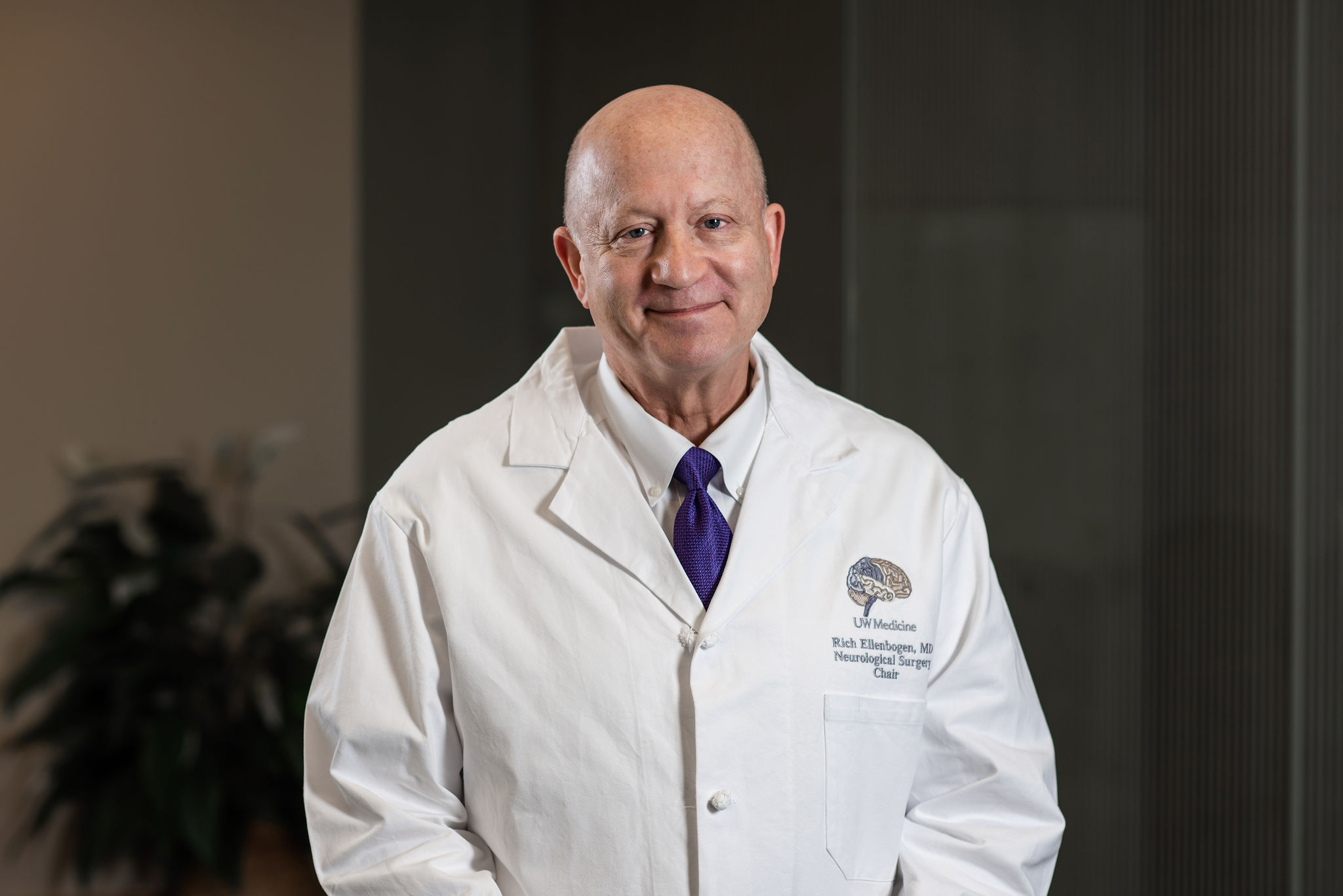
UW Medicine’s neurosurgery chair Richard Ellenbogen, MD, FACS, has authored 345 peer-reviewed articles, trained 80 residents and 98 fellows, received seven patents and championed youth concussion laws adopted in all 50 states.
There’s still one number the brain surgeon can’t quite wrap his head around.
“I graduated in ’83, so I guess… oh my gosh… that’s 40-plus years,” he says. “You know, I wake up every morning and can’t believe I get to do this.”
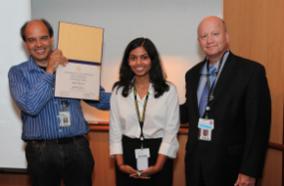
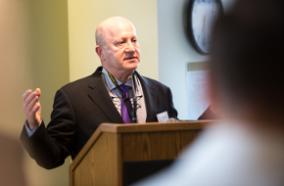
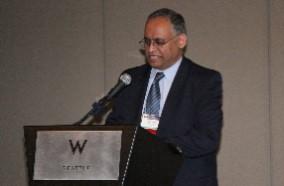
Last month, Ellenbogen received the Founder’s Laurel Award — as well as a standing ovation — at the 75th Annual Congress of Neurological Surgeons. The award is presented to recognize exceptional, meritorious and lifelong contributions to the field of neurosurgery, starting with Ellenbogen’s 17 years in the U.S. Army.
“I thought it was a good deal because my parents at the time couldn’t afford to pay for my education, and it turned out to be a great entranceway into medicine,” he says. “I realized that I probably didn’t want to be carrying an M16 the rest of my life, and that what soldiers do is important, but not what I wanted to do. They paid for my medical school, so I felt very fortunate.”
Ellenbogen went on to become chief of neurosurgery at Walter Reed Army Medical Center. Deployed with the 18th Airborne Corps during Operation Desert Storm, he was awarded a Bronze Star for his service to soldiers with traumatic brain injuries.
Building a stronger department
Ellenbogen joined the UW School of Medicine faculty in 1997 and continued to focus on traumatic brain injuries, co-founding the Seattle Sports Concussion Program, a joint program of UW Medicine and Seattle Children’s Hospital. He also volunteered as co-director of the National Football League’s Head, Neck and Spine Medical Committee, where he advocated for sideline concussion diagnosis and management protocols, helped secure $100 million in research funding and pushed for youth concussion laws that were passed nationwide.
Under Ellenbogen’s leadership, the Department of Neurological Surgery co-founded the UW Medicine Neurosciences Institute to coordinate clinical neuroscience care across departments, hospitals and community health clinics. Ellenbogen is also credited with making UW Medicine’s neurological surgery residency one of the most vibrant programs at the School of Medicine.
“I think our goal is to leave the place in better hands than when you got it,” he says. “I always say the students surpass the mentors, and I expect my students to do better than I did… I’m proud of not only the residents I trained, but the faculty that I recruited here. They are all very talented and compassionate.”
What he’s most proud of is the culture of the department.
“Everybody lives according to the Platinum Rule: Treat people the way that people want to be treated, not the way you want to be treated,” Ellenbogen says. “UW has a patient-centric culture, and I think the department really exemplifies that.”