UW Neurological Surgery Recent PubMed Publications

Updating a 2-class attributes sampling plan to account for changes in laboratory methods.

7 years 5 months ago
Related Articles

Updating a 2-class attributes sampling plan to account for changes in laboratory methods.

Int J Food Microbiol. 2018 Oct 03;282:24-27

Authors: Williams MS, Ebel ED, Golden NJ

Abstract
Advances in microbiological testing methods have led to faster and less expensive assays. Given these advances, it is logical to employ these assays for use in the sampling plan of an existing microbiological criterion. A change in the performance characteristics of the assay can affect the intended effect of the microbiological criterion. This study describes a method for updating a 2-class attributes sampling plan to account for the different test sensitivity and specificity of a new assay and provides an example based on the replacement of a culture-based assay with a real-time polymerase chain reaction assay.

PMID: 29885974 [PubMed - indexed for MEDLINE]

α2δ-4 Is Required for the Molecular and Structural Organization of Rod and Cone Photoreceptor Synapses.

7 years 5 months ago
Related Articles

α2δ-4 Is Required for the Molecular and Structural Organization of Rod and Cone Photoreceptor Synapses.

J Neurosci. 2018 07 04;38(27):6145-6160

Authors: Kerov V, Laird JG, Joiner ML, Knecht S, Soh D, Hagen J, Gardner SH, Gutierrez W, Yoshimatsu T, Bhattarai S, Puthussery T, Artemyev NO, Drack AV, Wong RO, Baker SA, Lee A

Abstract
α2δ-4 is an auxiliary subunit of voltage-gated Cav1.4 L-type channels that regulate the development and mature exocytotic function of the photoreceptor ribbon synapse. In humans, mutations in the CACNA2D4 gene encoding α2δ-4 cause heterogeneous forms of vision impairment in humans, the underlying pathogenic mechanisms of which remain unclear. To investigate the retinal function of α2δ-4, we used genome editing to generate an α2δ-4 knock-out (α2δ-4 KO) mouse. In male and female α2δ-4 KO mice, rod spherules lack ribbons and other synaptic hallmarks early in development. Although the molecular organization of cone synapses is less affected than rod synapses, horizontal and cone bipolar processes extend abnormally in the outer nuclear layer in α2δ-4 KO retina. In reconstructions of α2δ-4 KO cone pedicles by serial block face scanning electron microscopy, ribbons appear normal, except that less than one-third show the expected triadic organization of processes at ribbon sites. The severity of the synaptic defects in α2δ-4 KO mice correlates with a progressive loss of Cav1.4 channels, first in terminals of rods and later cones. Despite the absence of b-waves in electroretinograms, visually guided behavior is evident in α2δ-4 KO mice and better under photopic than scotopic conditions. We conclude that α2δ-4 plays an essential role in maintaining the structural and functional integrity of rod and cone synapses, the disruption of which may contribute to visual impairment in humans with CACNA2D4 mutations.SIGNIFICANCE STATEMENT In the retina, visual information is first communicated by the synapse formed between photoreceptors and second-order neurons. The mechanisms that regulate the structural integrity of this synapse are poorly understood. Here we demonstrate a role for α2δ-4, a subunit of voltage-gated Ca2+ channels, in organizing the structure and function of photoreceptor synapses. We find that presynaptic Ca2+ channels are progressively lost and that rod and cone synapses are disrupted in mice that lack α2δ-4. Our results suggest that alterations in presynaptic Ca2+ signaling and photoreceptor synapse structure may contribute to vision impairment in humans with mutations in the CACNA2D4 gene encoding α2δ-4.

PMID: 29875267 [PubMed - indexed for MEDLINE]

Transcutaneous Electrical Spinal Stimulation Promotes Long-Term Recovery of Upper Extremity Function in Chronic Tetraplegia.

7 years 5 months ago
Related Articles

Transcutaneous Electrical Spinal Stimulation Promotes Long-Term Recovery of Upper Extremity Function in Chronic Tetraplegia.

IEEE Trans Neural Syst Rehabil Eng. 2018 06;26(6):1272-1278

Authors: Inanici F, Samejima S, Gad P, Edgerton VR, Hofstetter CP, Moritz CT

Abstract
Upper extremity function is the highest priority of tetraplegics for improving quality of life. We aim to determine the therapeutic potential of transcutaneous electrical spinal cord stimulation for restoration of upper extremity function. We tested the hypothesis that cervical stimulation can facilitate neuroplasticity that results in long-lasting improvement in motor control. A 62-year-old male with C3, incomplete, chronic spinal cord injury (SCI) participated in the study. The intervention comprised three alternating periods: 1) transcutaneous spinal stimulation combined with physical therapy (PT); 2) identical PT only; and 3) a brief combination of stimulation and PT once again. Following four weeks of combined stimulation and physical therapy training, all of the following outcome measurements improved: the Graded Redefined Assessment of Strength, Sensation, and Prehension test score increased 52 points and upper extremity motor score improved 10 points. Pinch strength increased 2- to 7-fold in left and right hands, respectively. Sensation recovered on trunk dermatomes, and overall neurologic level of injury improved from C3 to C4. Most notably, functional gains persisted for over 3 month follow-up without further treatment. These data suggest that noninvasive electrical stimulation of spinal networks can promote neuroplasticity and long-term recovery following SCI.

PMID: 29877852 [PubMed - indexed for MEDLINE]

A model of blood-ammonia homeostasis based on a quantitative analysis of nitrogen metabolism in the multiple organs involved in the production, catabolism, and excretion of ammonia in humans.

7 years 5 months ago
Related Articles

A model of blood-ammonia homeostasis based on a quantitative analysis of nitrogen metabolism in the multiple organs involved in the production, catabolism, and excretion of ammonia in humans.

Clin Exp Gastroenterol. 2018;11:193-215

Authors: Levitt DG, Levitt MD

Abstract
Increased blood ammonia (NH3) is an important causative factor in hepatic encephalopathy, and clinical treatment of hepatic encephalopathy is focused on lowering NH3. Ammonia is a central element in intraorgan nitrogen (N) transport, and modeling the factors that determine blood-NH3 concentration is complicated by the need to account for a variety of reactions carried out in multiple organs. This review presents a detailed quantitative analysis of the major factors determining blood-NH3 homeostasis - the N metabolism of urea, NH3, and amino acids by the liver, gastrointestinal system, muscle, kidney, and brain - with the ultimate goal of creating a model that allows for prediction of blood-NH3 concentration. Although enormous amounts of NH3 are produced during normal liver amino-acid metabolism, this NH3 is completely captured by the urea cycle and does not contribute to blood NH3. While some systemic NH3 derives from renal and muscle metabolism, the primary site of blood-NH3 production is the gastrointestinal tract, as evidenced by portal vein-NH3 concentrations that are about three times that of systemic blood. Three mechanisms, in order of quantitative importance, release NH3 in the gut: 1) hydrolysis of urea by bacterial urease, 2) bacterial protein deamination, and 3) intestinal mucosal glutamine metabolism. Although the colon is conventionally assumed to be the major site of gut-NH3 production, evidence is reviewed that indicates that the stomach (via Helicobacter pylori metabolism) and small intestine and may be of greater importance. In healthy subjects, most of this gut NH3 is removed by the liver before reaching the systemic circulation. Using a quantitative model, loss of this "first-pass metabolism" due to portal collateral circulation can account for the hyperammonemia observed in chronic liver disease, and there is usually no need to implicate hepatocyte malfunction. In contrast, in acute hepatic necrosis, hyperammonemia results from damaged hepatocytes. Although muscle-NH3 uptake is normally negligible, it can become important in severe hyperammonemia. The NH3-lowering actions of intestinal antibiotics (rifaximin) and lactulose are discussed in detail, with particular emphasis on the seeming lack of importance of the frequently emphasized acidifying action of lactulose in the colon.

PMID: 29872332 [PubMed]

Accuracy of Inferred APOE Genotypes for a Range of Genotyping Arrays and Imputation Reference Panels.

7 years 5 months ago
Related Articles

Accuracy of Inferred APOE Genotypes for a Range of Genotyping Arrays and Imputation Reference Panels.

J Alzheimers Dis. 2018;64(1):49-54

Authors: Lupton MK, Medland SE, Gordon SD, Goncalves T, MacGregor S, Mackey DA, Young TL, Duffy DL, Visscher PM, Wray NR, Nyholt DR, Bain L, Ferreira MA, Henders AK, Wallace L, Montgomery GW, Wright MJ, Martin NG

Abstract
Cohort studies investigating aging and dementia require APOE genotyping. We compared directly measured APOE genotypes to 'hard-call' genotypes derived from imputing genome-wide genotyping data from a range of platforms using several imputation panels. Older GWAS arrays imputed to 1000 Genomes Project (1KGP) phases and the Haplotype Reference Consortium (HRC) reference panels were able to achieve concordance rates of over 98% with stringent quality control (hard-call-threshold 0.8). However, this resulted in high levels of missingness (>12% with 1KGP and 5% with HRC). With recent GWAS arrays, concordance of 99% could be obtained with relatively lenient QC, resulting in no missingness.

PMID: 29865051 [PubMed - indexed for MEDLINE]

Patient-centered primary care for adults at high risk for AUDs: the Choosing Healthier Drinking Options In primary CarE (CHOICE) trial.

7 years 5 months ago
Related Articles

Patient-centered primary care for adults at high risk for AUDs: the Choosing Healthier Drinking Options In primary CarE (CHOICE) trial.

Addict Sci Clin Pract. 2017 05 17;12(1):15

Authors: Bradley KA, Ludman EJ, Chavez LJ, Bobb JF, Ruedebusch SJ, Achtmeyer CE, Merrill JO, Saxon AJ, Caldeiro RM, Greenberg DM, Lee AK, Richards JE, Thomas RM, Matson TE, Williams EC, Hawkins E, Lapham G, Kivlahan DR

Abstract
BACKGROUND: Most patients with alcohol use disorders (AUDs) never receive alcohol treatment, and experts have recommended management of AUDs in primary care. The Choosing Healthier Drinking Options In primary CarE (CHOICE) trial was a randomized controlled effectiveness trial of a novel intervention for primary care patients at high risk for AUDs. This report describes the conceptual and scientific foundation of the CHOICE model of care, critical elements of the CHOICE trial design consistent with the Template for Intervention Description and Replication (TIDieR), results of recruitment, and baseline characteristics of the enrolled sample.
METHODS: The CHOICE intervention is a multi-contact, extended counseling intervention, based on the Chronic Care Model, shared decision-making, motivational interviewing, and evidence-based options for managing AUDs, designed to be practical in primary care. Outpatients who received care at 3 Veterans Affairs primary care sites in the Pacific Northwest and reported frequent heavy drinking (≥4 drinks/day for women; ≥5 for men) were recruited (2011-2014) into a trial in which half of the participants would be offered additional alcohol-related care from a nurse. CHOICE nurses offered 12 months of patient-centered care, including proactive outreach and engagement, repeated brief motivational interventions, monitoring with and without alcohol biomarkers, medications for AUDs, and/or specialty alcohol treatment as appropriate and per patient preference. A CHOICE nurse practitioner was available to prescribe medications for AUDs.
RESULTS: A total of 304 patients consented to participate in the CHOICE trial. Among consenting participants, 90% were men, the mean age was 51 (range 22-75), and most met DSM-IV criteria for alcohol abuse (14%) or dependence (59%). Many participants also screened positive for tobacco use (44%), depression (45%), anxiety disorders (30-41%) and non-tobacco drug use disorders (19%). At baseline, participants had a median AUDIT score of 18 [Interquartile range (IQR) 14-24] and a median readiness to change drinking score of 5 (IQR 2.75-6.25) on a 1-10 Likert scale.
CONCLUSION: The CHOICE trial tested a patient-centered intervention for AUDs and recruited primary care patients at high risk for AUDs, with a spectrum of severity, co-morbidity, and readiness to change drinking. Trial registration The trial is registered at clinicaltrial.gov (NCT01400581).

PMID: 28514963 [PubMed - indexed for MEDLINE]

Comparison of DSM-IV and DSM-5 criteria for alcohol use disorders in VA primary care patients with frequent heavy drinking enrolled in a trial.

7 years 5 months ago
Related Articles

Comparison of DSM-IV and DSM-5 criteria for alcohol use disorders in VA primary care patients with frequent heavy drinking enrolled in a trial.

Addict Sci Clin Pract. 2017 07 18;12(1):17

Authors: Takahashi T, Lapham G, Chavez LJ, Lee AK, Williams EC, Richards JE, Greenberg D, Rubinsky A, Berger D, Hawkins EJ, Merrill JO, Bradley KA

Abstract
BACKGROUND: Criteria for alcohol use disorders (AUD) in the Diagnostic and Statistical Manual of Mental Disorders, 5th edition (DSM-5) were intended to result in a similar prevalence of AUD as DSM-IV. We evaluated the prevalence of AUD using DSM-5 and DSM-IV criteria, and compared characteristics of patients who met criteria for: neither DSM-5 nor DSM-IV AUD, DSM-5 alone, DSM-IV alone, or both, among Veterans Administration (VA) outpatients in the Considering Healthier drinking Options In primary CarE (CHOICE) trial.
METHODS: VA primary care patients who reported frequent heavy drinking and enrolled in the CHOICE trial were interviewed at baseline using the DSM-IV Mini International Neuropsychiatric Interview for AUD, as well as questions about socio-demographics, mental health, alcohol craving, and substance use. We compared characteristics across 4 mutually exclusive groups based on DSM-5 and DSM-IV criteria.
RESULTS: Of 304 participants, 13.8% met criteria for neither DSM-5 nor DSM-IV AUD; 12.8% met criteria for DSM-5 alone, and 73.0% met criteria for both DSM-IV and DSM-5. Only 1 patient (0.3%) met criteria for DSM-IV AUD alone. Patients meeting both DSM-5 and DSM-IV criteria had more negative drinking consequences, mental health symptoms and self-reported readiness to change compared with those meeting DSM-5 criteria alone or neither DSM-5 nor DSM-IV criteria.
CONCLUSIONS: In this sample of primary care patients with frequent heavy drinking, DSM-5 identified 13% more patients with AUD than DSM-IV. This group had a lower mental health symptom burden and less self-reported readiness to change compared to those meeting criteria for both DSM-IV and DSM-5 AUD. Trial Registration ClinicalTrials.gov NCT01400581. 2011 February 17.

PMID: 28716049 [PubMed - indexed for MEDLINE]

Mechanism of Cardiac Tropomyosin Transitions on Filamentous Actin As Revealed by All-Atom Steered Molecular Dynamics Simulations.

7 years 5 months ago
Related Articles

Mechanism of Cardiac Tropomyosin Transitions on Filamentous Actin As Revealed by All-Atom Steered Molecular Dynamics Simulations.

J Phys Chem Lett. 2018 Jun 05;:3301-3306

Authors: Williams MR, Tardiff JC, Schwartz SD

Abstract
The three-state model of tropomyosin (Tm) positioning along filamentous actin allows for Tm to act as a gate for myosin head binding with actin. The blocked state of Tm prevents myosin binding, while the open state allows for strong binding. Intermediate to this transition is the closed state. The details of the transition from the blocked to the closed state and then finally to the open state by Tm have not been fully accessible to experiment. Utilizing steered molecular dynamics, we investigate the work required to move the Tm strand through the extant set of proposed transitions. We find that an azimuthal motion around the actin filament by Tm is most probable in spite of increased initial energy barrier from the topographical landscape of actin.

PMID: 29863359 [PubMed - as supplied by publisher]

Rehabilitation Trajectories and Outcomes in Individuals With Mild Traumatic Brain Injury and Psychiatric Histories: A TRACK-TBI Pilot Study.

7 years 5 months ago
Related Articles

Rehabilitation Trajectories and Outcomes in Individuals With Mild Traumatic Brain Injury and Psychiatric Histories: A TRACK-TBI Pilot Study.

J Head Trauma Rehabil. 2019 Jan/Feb;34(1):36-44

Authors: Bertisch H, Satris G, Temkin N, Barber J, Manley GT, Transforming Research and Clinical Knowledge in TBI (TRACK-TBI) Investigators

Abstract
OBJECTIVE: To determine differences in rehabilitation trajectories and return to work (RTW) and social outcomes in individuals with mild traumatic brain injury (mTBI) with and without significant psychiatric histories at index hospitalization.
SETTING: Three level 1 trauma centers participating in the Transforming Research and Clinical Knowledge in Traumatic Brain Injury (TRACK-TBI) consortium.
PARTICIPANTS: A total of 305 individuals with index mTBI enrolled in the TRACK-TBI pilot project.
DESIGN: Secondary analysis of data from the TRACK-TBI pilot study.
MAIN MEASURES: Chart review and patient/family interview at emergency department (ED) admission, ED clinical data, ED discharge plan, functional interview data at 3- and 6-month outcomes, Trail Making Tests, the Wechsler Adult Intelligence Scale, Fourth Edition, Processing Speed Index, the California Verbal Learning Test, Second Edition, and the Craig Handicap Assessment and Reporting Technique.
RESULTS: Controlling for neurological history and CT lesion at ED admission, participants with and without psychiatric histories did not differ in terms of treatment, return to work, or reported social function. Individuals with psychiatric histories demonstrated lower processing speed and reported reduced satisfaction with occupational function at outcome.
CONCLUSIONS: Individuals with mTBI and psychiatric histories may require specialized rehabilitation planning to address increased risk for cognitive difficulties and occupational dissatisfaction at outcome. CT lesion may independently influence outcomes.

PMID: 29863617 [PubMed - indexed for MEDLINE]

Nanoparticle-mediated knockdown of DNA repair sensitizes cells to radiotherapy and extends survival in a genetic mouse model of glioblastoma.

7 years 5 months ago
Related Articles

Nanoparticle-mediated knockdown of DNA repair sensitizes cells to radiotherapy and extends survival in a genetic mouse model of glioblastoma.

Nanomedicine. 2017 Oct;13(7):2131-2139

Authors: Kievit FM, Wang K, Ozawa T, Tarudji AW, Silber JR, Holland EC, Ellenbogen RG, Zhang M

Abstract
Glioblastoma (GBM) remains incurable, and recurrent tumors rarely respond to standard-of-care radiation and chemo-therapies. Therefore, strategies that enhance the effects of these therapies should provide significant benefits to GBM patients. We have developed a nanoparticle delivery vehicle that can stably bind and protect nucleic acids for specific delivery into brain tumor cells. These nanoparticles can deliver therapeutic siRNAs to sensitize GBM cells to radiotherapy and improve GBM treatment via systemic administration. We show that nanoparticle-mediated knockdown of the DNA repair protein apurinic endonuclease 1 (Ape1) sensitizes GBM cells to radiotherapy and extend survival in a genetic mouse model of GBM. Specific knockdown of Ape1 activity by 30% in brain tumor tissue doubled the extended survival achieved with radiotherapy alone. Ape1 is a promising target for increasing the effectiveness of radiotherapy, and nanoparticle-mediated delivery of siRNA is a promising strategy for tumor specific knockdown of Ape1.

PMID: 28614736 [PubMed - indexed for MEDLINE]
Reduction of the molecular chaperone binding immunoglobulin protein (BiP) accentuates the effect of aging on sleep-wake behavior.

7 years 5 months ago
Related Articles

Reduction of the molecular chaperone binding immunoglobulin protein (BiP) accentuates the effect of aging on sleep-wake behavior.

Neurobiol Aging. 2018 09;69:10-25

Authors: Naidoo N, Zhu J, Galante RJ, Lian J, Strus E, Lee A, Keenan BT, Pack AI

Abstract
Sleep and wake quality, quantity, and architecture become modified with aging. Sleep and wake quality decline coinciding with increased fragmentation of both states across aging. We have previously shown that this age-related decline in sleep-wake quality is associated with increased endoplasmic reticular (ER) stress and decreased expression of the major ER chaperone binding immunoglobulin protein (BiP). BiP, also known as glucose-regulated protein 78, plays a key role in controlling the cellular response to ER stress, acting as a regulator of a protein homeostatic signaling pathway known as the unfolded protein response. Induction of BiP during cellular stress is part of an adaptive prosurvival mechanism. Here, using mice heterozygous for BiP, we investigated the effect of reduced BiP expression on sleep-wake behavior across aging; complete knockdown of BiP is embryonic lethal. We report that BiP heterozygosity accentuates the aging sleep-wake phenotype. Sleep and wake fragmentation was more pronounced in the BiP heterozygotes across the 3 ages examined. In mice lacking 1 functional copy of BiP, we observed an age-related significant reduction in wake bout duration and increase in wake bout numbers during the active period, as well as an increase in non rapid eye movement and rapid eye movement bout numbers accompanied by reduced bout durations of both non rapid eye movement and rapid eye movement during the sleep period. In addition, we observed increased ER stress in orexin neurons and occurrence of aggregates immunopositive for orexin at the terminals and projections of orexin neurons in the middle-aged BiP heterozygotes. Taken together, our data indicate that a reduction in the molecular chaperone BiP impacts sleep architecture across aging and that orexin processing is likely to be affected.

PMID: 29843048 [PubMed - indexed for MEDLINE]
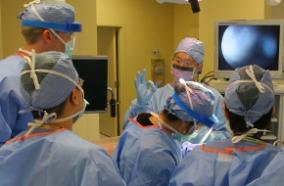
Asleep Deep Brain Stimulation Reduces Incidence of Intracranial Air during Electrode Implantation.

7 years 5 months ago
Related Articles

Asleep Deep Brain Stimulation Reduces Incidence of Intracranial Air during Electrode Implantation.

Stereotact Funct Neurosurg. 2018;96(2):83-90

Authors: Ko AL, Magown P, Ozpinar A, Hamzaoglu V, Burchiel KJ

Abstract
BACKGROUND: Asleep deep brain stimulation (aDBS) implantation replaces microelectrode recording for image-guided implantation, shortening the operative time and reducing cerebrospinal fluid egress. This may decrease pneumocephalus, thus decreasing brain shift during implantation.
OBJECTIVE: To compare the incidence and volume of pneumocephalus during awake (wkDBS) and aDBS procedures.
METHODS: A retrospective review of bilateral DBS cases performed at Oregon Health & Science University from 2009 to 2017 was undertaken. Postimplantation imaging was reviewed to determine the presence and volume of intracranial air and measure cortical brain shift.
RESULTS: Among 371 patients, pneumocephalus was noted in 66% of wkDBS and 15.6% of aDBS. The average volume of air was significantly higher in wkDBS than aDBS (8.0 vs. 1.8 mL). Volumes of air greater than 7 mL, which have previously been linked to brain shift, occurred significantly more frequently in wkDBS than aDBS (34 vs 5.6%). wkDBS resulted in significantly larger cortical brain shifts (5.8 vs. 1.2 mm).
CONCLUSIONS: We show that aDBS reduces the incidence of intracranial air, larger air volumes, and cortical brain shift. Large volumes of intracranial air have been correlated to shifting of brain structures during DBS procedures, a variable that could impact accuracy of electrode placement.

PMID: 29847829 [PubMed - indexed for MEDLINE]

A robust ex vivo experimental platform for molecular-genetic dissection of adult human neocortical cell types and circuits.

7 years 5 months ago
Related Articles

A robust ex vivo experimental platform for molecular-genetic dissection of adult human neocortical cell types and circuits.

Sci Rep. 2018 05 30;8(1):8407

Authors: Ting JT, Kalmbach B, Chong P, de Frates R, Keene CD, Gwinn RP, Cobbs C, Ko AL, Ojemann JG, Ellenbogen RG, Koch C, Lein E

Abstract
The powerful suite of available genetic tools is driving tremendous progress in understanding mouse brain cell types and circuits. However, the degree of conservation in human remains largely unknown in large part due to the lack of such tools and healthy tissue preparations. To close this gap, we describe a robust and stable adult human neurosurgically-derived ex vivo acute and cultured neocortical brain slice system optimized for rapid molecular-genetic manipulation. Surprisingly, acute human brain slices exhibited exceptional viability, and neuronal intrinsic membrane properties could be assayed for at least three days. Maintaining adult human slices in culture under sterile conditions further enabled the application of viral tools to drive rapid expression of exogenous transgenes. Widespread neuron-specific labeling was achieved as early as two days post infection with HSV-1 vectors, with virally-transduced neurons exhibiting membrane properties largely comparable to uninfected neurons over this short timeframe. Finally, we demonstrate the suitability of this culture paradigm for optical manipulation and monitoring of neuronal activity using genetically encoded probes, opening a path for applying modern molecular-genetic tools to study human brain circuit function.

PMID: 29849137 [PubMed - indexed for MEDLINE]

Transpetrosal approach to petro-clival meningioma.

7 years 6 months ago
Related Articles

Transpetrosal approach to petro-clival meningioma.

Neurosurg Focus. 2017 Oct;43(VideoSuppl2):V1

Authors: Elarjani T, Shetty R, Singh H, da Silva HB, Sekhar LN

Abstract
A 38-year-old woman had a 3-week gradual onset of right-sided weakness in the upper and lower extremities. MRI showed a large left petro-clival meningioma encasing the basilar and left superior cerebellar artery and compressing the brainstem. A posterior transpetrosal approach, with a left temporal and retrosigmoid craniotomy and mastoidectomy, was performed. The tumor was removed in a gross-total resection with questionable remnants adherent to the brainstem. Intraoperative partial iatrogenic injury to the left oculomotor nerve was repaired with fibrin glue. Postoperatively, the hemiparesis improved, and the patient was discharged to the rehabilitation center with left oculomotor and abducens palsies. A postoperative MRI scan showed complete resection of tumor with no remnants on the brainstem. A 6-month follow-up examination showed complete resolution of motor symptoms and complete recovery of cranial nerve (CN) palsies affecting CN III and CN VI. The video can be found here: https://youtu.be/vOu6YFA8uoo .

PMID: 28967311 [PubMed - indexed for MEDLINE]
Cohort profile: The Childhood Asthma Prevention Study (CAPS).

7 years 6 months ago
Related Articles

Cohort profile: The Childhood Asthma Prevention Study (CAPS).

Int J Epidemiol. 2018 12 01;47(6):1736-1736k

Authors: Garden FL, Toelle BG, Mihrshahi S, Webb KL, Almqvist C, Tovey ER, Brew BK, Ayer JG, Skilton MR, Jones G, Ferreira MAR, Cowie CT, Weber-Chrysochoou C, Britton WJ, Celermajer DS, Leeder SR, Peat JK, Marks GB

PMID: 29800224 [PubMed - indexed for MEDLINE]

Retinoic acid elicits a coordinated expression of gut homing markers on T lymphocytes of Zambian men receiving oral Vivotif, but not Rotarix, Dukoral or OPVERO vaccines.

7 years 6 months ago
Related Articles

Retinoic acid elicits a coordinated expression of gut homing markers on T lymphocytes of Zambian men receiving oral Vivotif, but not Rotarix, Dukoral or OPVERO vaccines.

Vaccine. 2018 06 27;36(28):4134-4141

Authors: Mwanza-Lisulo M, Chomba MS, Chama M, Besa EC, Funjika E, Zyambo K, Banda R, Imikendu M, Sianongo S, Hancock REW, Lee A, Chilengi R, Stagg AJ, Namangala B, Kelly PM

Abstract
All-trans retinoic acid (ATRA) up-regulates, in laboratory animals, the expression of the gut homing markers α4β7 integrin and CCR9 on lymphocytes, increasing their gut tropism. Here, we show that, in healthy adult volunteers, ATRA induced an increase of these gut homing markers on T cells in vivo in a time dependent manner. The coordinated increase of α4β7 and CCR9 by ATRA was seen in 57% (12/21) of volunteers and only when given together with an oral Vivotif vaccine. When this coordinated response to ATRA and Vivotif vaccine was present, it was strongly correlated with the gut immunoglobulin A (IgA) specific response to vaccine LPS (ρ = 0.82; P = 0.02). Using RNA-Seq analysis of whole blood transcription, patients receiving ATRA and Vivotif in conjunction showed transcriptomic changes in immune-related pathways, particularly including interferon α/β signaling pathway, membrane-ECM interactions and immune hubs. These results suggest that exogenous ATRA can be used to manipulate responses to a subclass of oral vaccines, so far limited to a live attenuated Vivotif vaccine.

PMID: 29801999 [PubMed - indexed for MEDLINE]

Autonomic alterations as a clinical manifestation of encephalopathy associated with autoimmune thyroid disease.

7 years 6 months ago
Related Articles

Autonomic alterations as a clinical manifestation of encephalopathy associated with autoimmune thyroid disease.

Endocr J. 2018 May 25;:

Authors: Tomkins M, Cavalcoli F, Stanley E, O'Rourke K, Murphy S, Lynch T, Tamagno G

Abstract
Encephalopathy associated with autoimmune thyroid disease (EAATD), also known as Hashimoto's encephalopathy, is a rare neurological condition that may occur in patients with clinical or sub-clinical autoimmune thyroid disease. The pathogenesis of EAATD has been not clearly elucidated yet. The diagnostic criteria include neurological or psychiatric symptoms, high levels of anti-thyroid antibodies, and exclusion of other possible causes of encephalopathy. In the large majority of cases, EAATD patients respond to immunosuppressant therapies, in particular to corticosteroids. We report the case of a patient with Hashimoto's thyroiditis and recurrent manifestations of encephalopathy over the previous few years responding to corticosteroid treatment. The patient presented with language and cognitive impairment, ataxia, and neurovegetative/autonomic symptoms. She was euthyroid with mildly raised anti-thyroid peroxidase antibodies. An extensive diagnostic work-up, including electroencephalogram, brain magnetic resonance, hormonal assessment, and an exhaustive panel of antibodies possibly associated with autoimmune encephalopathy, was carried out and excluded other possible etiologies of encephalopathy. The diagnosis of EAATD possibly affecting the hypothalamus and/or the neurovegetative regulatory centers was made and treatment with prednisolone was timely commenced with a dramatic and rapid improvement with progressive normalization of the symptoms. To the best of our knowledge, this is the first report of neurovegetative/autonomic alterations in the setting of EAATD.

PMID: 29806619 [PubMed - as supplied by publisher]

Different roles for inhibition in the rhythm-generating respiratory network.

7 years 6 months ago
Related Articles

Different roles for inhibition in the rhythm-generating respiratory network.

J Neurophysiol. 2017 Oct 01;118(4):2070-2088

Authors: Harris KD, Dashevskiy T, Mendoza J, Garcia AJ, Ramirez JM, Shea-Brown E

Abstract
Unraveling the interplay of excitation and inhibition within rhythm-generating networks remains a fundamental issue in neuroscience. We use a biophysical model to investigate the different roles of local and long-range inhibition in the respiratory network, a key component of which is the pre-Bötzinger complex inspiratory microcircuit. Increasing inhibition within the microcircuit results in a limited number of out-of-phase neurons before rhythmicity and synchrony degenerate. Thus unstructured local inhibition is destabilizing and cannot support the generation of more than one rhythm. A two-phase rhythm requires restructuring the network into two microcircuits coupled by long-range inhibition in the manner of a half-center. In this context, inhibition leads to greater stability of the two out-of-phase rhythms. We support our computational results with in vitro recordings from mouse pre-Bötzinger complex. Partial excitation block leads to increased rhythmic variability, but this recovers after blockade of inhibition. Our results support the idea that local inhibition in the pre-Bötzinger complex is present to allow for descending control of synchrony or robustness to adverse conditions like hypoxia. We conclude that the balance of inhibition and excitation determines the stability of rhythmogenesis, but with opposite roles within and between areas. These different inhibitory roles may apply to a variety of rhythmic behaviors that emerge in widespread pattern-generating circuits of the nervous system.NEW & NOTEWORTHY The roles of inhibition within the pre-Bötzinger complex (preBötC) are a matter of debate. Using a combination of modeling and experiment, we demonstrate that inhibition affects synchrony, period variability, and overall frequency of the preBötC and coupled rhythmogenic networks. This work expands our understanding of ubiquitous motor and cognitive oscillatory networks.

PMID: 28615332 [PubMed - indexed for MEDLINE]

"university of washington"[affiliation] and neurological surge...: Latest results from PubMed
More posts about UW Neurological Surgery Recent PubMed Publications