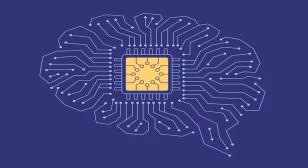


Brain-computer interfaces could change the world—but at what cost?
Dr. Andrew Ko and Dr.
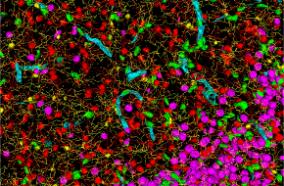
Dr. Andrew Ko is part of a research team that has developed a test to measure levels of amyloid beta oligomers in blood samples. Oligomers are amyloid beta proteins that misfold and clump together potentially developing into Alzheimer’s.
Dr. Richard G.
Congratulations to Dr.
Dr. Christine Mac Donald’s long-running study of U.S. military service members (EVOLVE) shows that many who sustained mild traumatic brain injuries (TBIs) from combat-related explosions continue to feel adverse effects for years afterward.
The Brain Aneurysm Foundation (BAF) hosted its first annual Global Day of Engagement, a 24-hour global celebration of philanthropy, advocacy, and education on September 15, 2022 in concert with the annual Research Grant Symposium. The Department’s own, Dr.
Dr. Sam Browd discusses how leveraging AI technology may lead to improving patient outcomes, making care more accessible and reducing costs across the board.
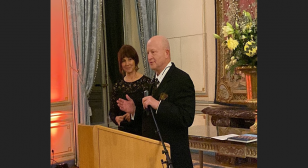
Nominated by Dr. Louis J. Kim, Dr. Richard G. Ellenbogen is among 10 recipients of The Parker J.
Neurological Surgery Resident Malia McAvoy, MD, was commissioned as a lieutenant in the US Navy Reserve on September 23, 2022. This event culminates a 10-year journey for Dr. McAvoy and continues a family tradition of service in the Navy and Marine Corps.
Dr. Naren Ganesalingam, a pediatric neurosurgeon based in the UK, interviewed Dr.