

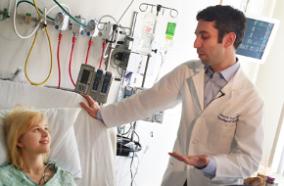
This is a prospective, longitudinal observational study. Acute SCI patients will be screened and offered enrollment in the study. We will aim to enroll at least 5 SCI patients per year for 2 years in both Aims 1 and 2. Traumatic spinal cord injury (tSCI), particularly in the cervical region, often leads to permanent sensory and motor deficits, severely impairing upper limb function and disrupting essential daily activities such as grasping, eating, and writing. Despite advances in interventions, their impact is limited by spasticity, which affects nearly two-thirds of individuals after tSCI and is associated with pain, muscle contractions, and restricted functional recovery. Although spasticity is considered a chronic complication of tSCI, initiated during the early phase of tSCI and progresses into the chronic stage. We have already shown the efficacy of spinal cord stimulation (SCS) in the chronic tSCI; however, the efficacy is still limited. In the current proposal, I hypothesize that 1) optimized SCS in the acute phase of tSCI can modulate the spinal circuit and local blood flow, regulating distinct motor function following tSCI. Additionally, in aim 2, I investigate the neuroprotective and therapeutic effect of early administration of Nimodipine to regulate spinal blood flow and improve forelimb functional recovery. As the third aim, I will combine acute SCS with Nimodipine treatment to prevent or reduce debilitating hand spasticity and promote greater recovery of upper limb function following cervical tSCI.
UCSF