
Patients with pituitary tumors often present with overlapping endocrinologic, neurologic, ophthalmologic and sinonasal concerns. These complex, skull base lesions demand coordinated expertise to establish diagnoses, determine optimal surgical approaches and manage potential hormonal and visual sequelae.
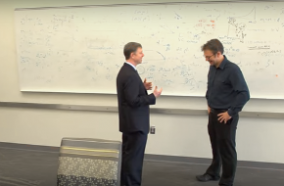
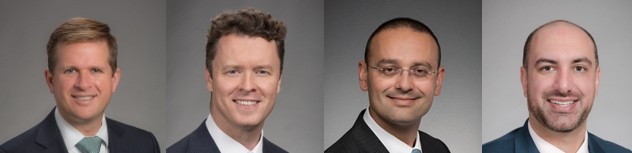
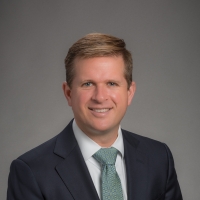
In our Pituitary Program, these needs are met through a high-volume, multidisciplinary care model led by neurosurgeons Jacob Ruzevick, MD, Sam Emerson, MD, PhD, and Manuel Ferreira, MD, PhD, as well as a tightly integrated team of endocrinologists, otolaryngologists, ophthalmologists, neuro-anesthesiologists and specialized OR staff. When appropriate, they collaborate with cancer specialists at the Fred Hutch Cancer Center, an independent organization that serves as UW Medicine’s cancer program.
High-Volume Surgical Practice
Dr. Ruzevick and Dr. Emerson are fellowship-trained neurosurgeons dedicated to pituitary and skull base pathology. Between them, they perform hundreds of procedures annually, with the collective UW Medical Center – Montlake volume reaching 300-400 cases annually.
This experience creates exceptional surgical fluency, reduces operative time and minimizes patient risk. As Dr. Ruzevick notes, “We pride ourselves on offering complex multidisciplinary care and shared decision-making with the patient and care team that optimizes the patient experience.”
Minimally Invasive Endoscopic Endonasal Approach
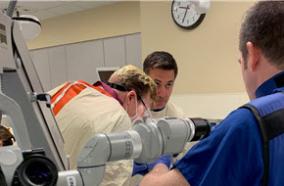
Almost all surgeries utilize advanced endoscopic transnasal techniques, enabling tumor removal through the nasal passages without external incisions or cosmetic changes to the nose and face. High-definition endoscopy and neuronavigation systems allow precise dissection around the optic nerves, carotid arteries and pituitary gland, minimizing trauma to surrounding structures. Most patients are discharged the following day, underscoring the transformative evolution from historic craniotomies to modern, minimally invasive methods.
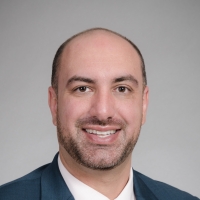
Rhinologists partner in these intricate procedures, ensuring optimal sinonasal access and reconstruction. One of those is Aria Jafari, MD, a fellowship-trained rhinologist and endoscopic skull base surgeon, who partners closely with the neurosurgical team on endoscopic endonasal pituitary cases.
Dr. Jafari’s role extends beyond surgical access to a deliberate focus on optimizing postoperative sinonasal quality of life — an often underappreciated determinant of long-term patient satisfaction. Using advanced endoscopic techniques, tailored mucosal preservation strategies and meticulous reconstruction, the team prioritizes rapid recovery while minimizing disruption to nasal physiology. Particular attention is paid to preserving olfaction through atraumatic corridor creation and individualized postoperative medical therapy.
“Our goal is not only safe and complete tumor resection,” Dr. Jafari notes, “but also ensuring patients return to normal nasal function, including sense of smell, as quickly and reliably as possible.” This integration of skull base surgery with sinonasal outcome optimization reflects the program’s broader commitment to treating the whole patient — not just the lesion.
Multidisciplinary, Same-Day Evaluation
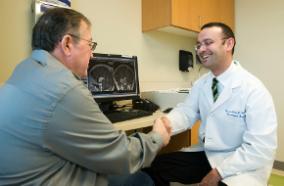
Most patients will undergo MRI imaging and multidisciplinary assessment in one day, with as many as three or four physicians entering the consult room together to present a unified plan. The team manages the full spectrum of pituitary and related skull base pathology, including:
- Pituitary adenomas
- Craniopharyngiomas
- Rathke’s cleft cysts
- Meningiomas
- Multi-compartmental sinonasal tumors
This synchronized approach ensures a clear, evidence-based treatment path from the outset, whether the initial referral comes with a confirmed diagnosis or remains under investigation.
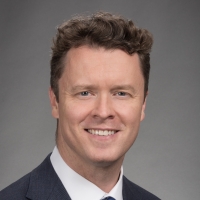
“Part of what makes us unique is our ability to have a one-stop treatment option for a lot of patients where they’re able to see neurosurgeons, ophthalmologists, endocrinologists and occasionally, otolaryngologists, all at the same place, under the same roof, often in the same day,” says Dr. Emerson. “And that sort of streamlining and efficiency really improves the patient experience and allows us to develop rapid, effective care.”
Research-Driven Precision
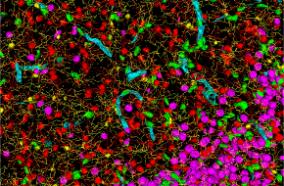
UW Medicine’s team advances surgical care through deep engagement with research, focusing on single-cell transcriptomic and proteomic analyses of pituitary tumors. Understanding tumor lineage and hormonal heterogeneity allows for precision treatment plans — integrating surgery, targeted medical therapy and, when needed, precision radiation.
Clinical Impact
Rapid intervention often produces immediate, dramatic results. Dr. Emerson recalls a patient whose large adenoma caused severe unilateral vision loss; within hours of surgery, the patient regained peripheral vision. Dr. Ruzevick likewise emphasizes endocrine normalization after surgery, which can drastically improve long-term wellbeing.
For both neurosurgeons, the reward lies in guiding patients through life-changing diagnoses toward definitive treatment. “These tumors are often benign,” says Dr. Ruzevick, “and what patients need is excellent surgery that will, in most cases, lead to a cure.”
Future Direction
The program continues to refine techniques and explore innovations such as fluorescence-guided visualization and expanded anatomical access for complex skull base lesions. These technologies promise broader applicability while maintaining the efficiency and low morbidity characteristic of our approach.